
Article
Ninja AF101 Air Fryer Review: Eight Months of Daily Use in a 400-Square-Foot Apartment
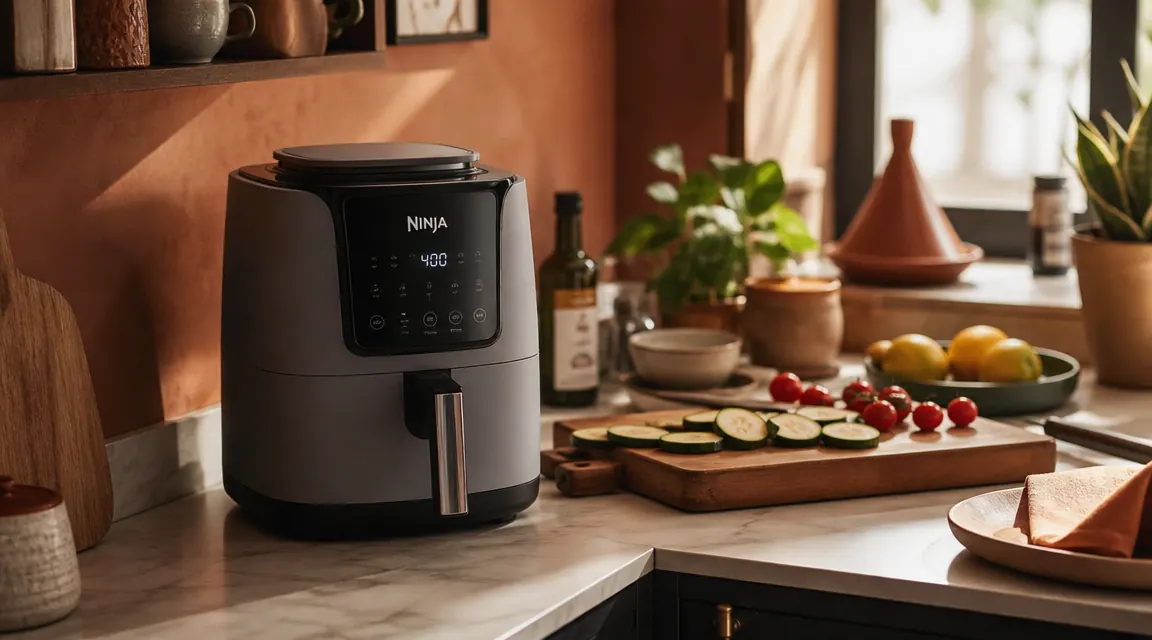
Sandra spent eight months cooking in a tiny apartment kitchen before writing a word of this. Here is what she found.
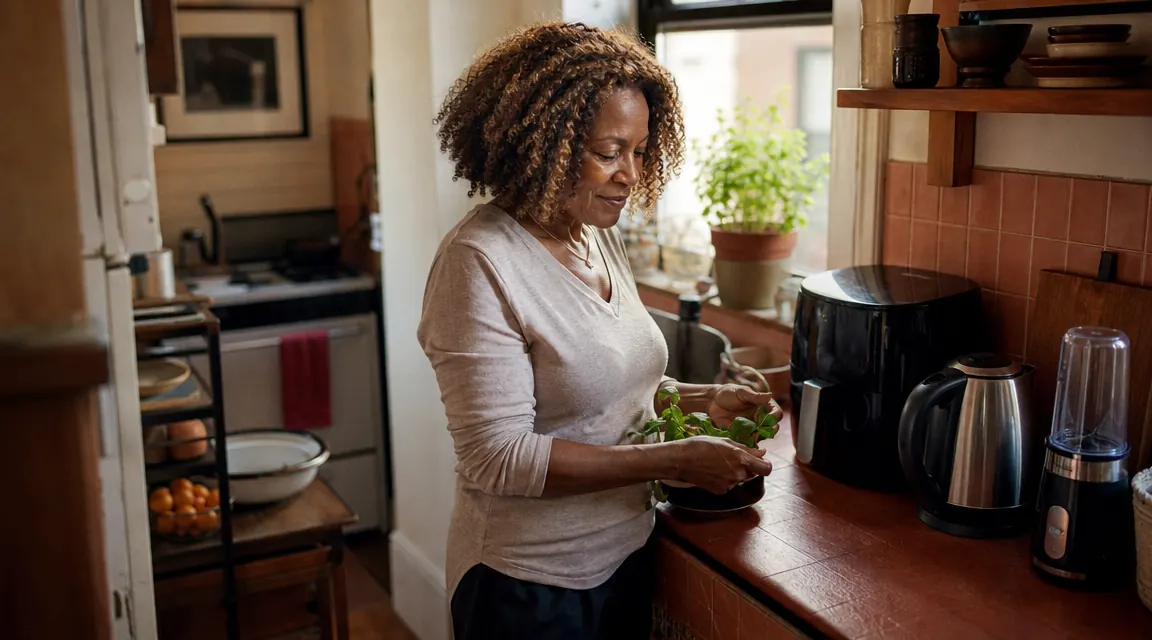
A two-week experiment in a 380-square-foot studio taught Sandra that the Ninja AF101 is not a specialty gadget. It is a full cooking strategy.
Sandra spent eight months cooking in a tiny apartment kitchen before writing a word of this. Here is what she found.
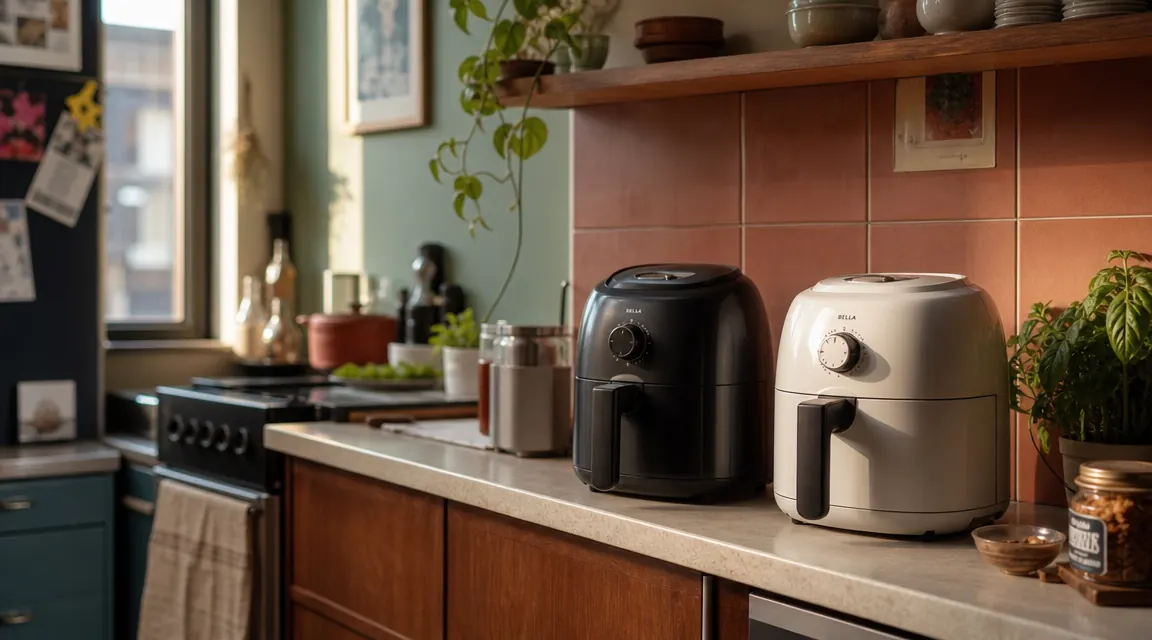
Both sit at 4 quarts and promise crispy results. Sandra compares them on footprint, cleanup, and real cooking performance so you can hand that counter spot to the right machine.
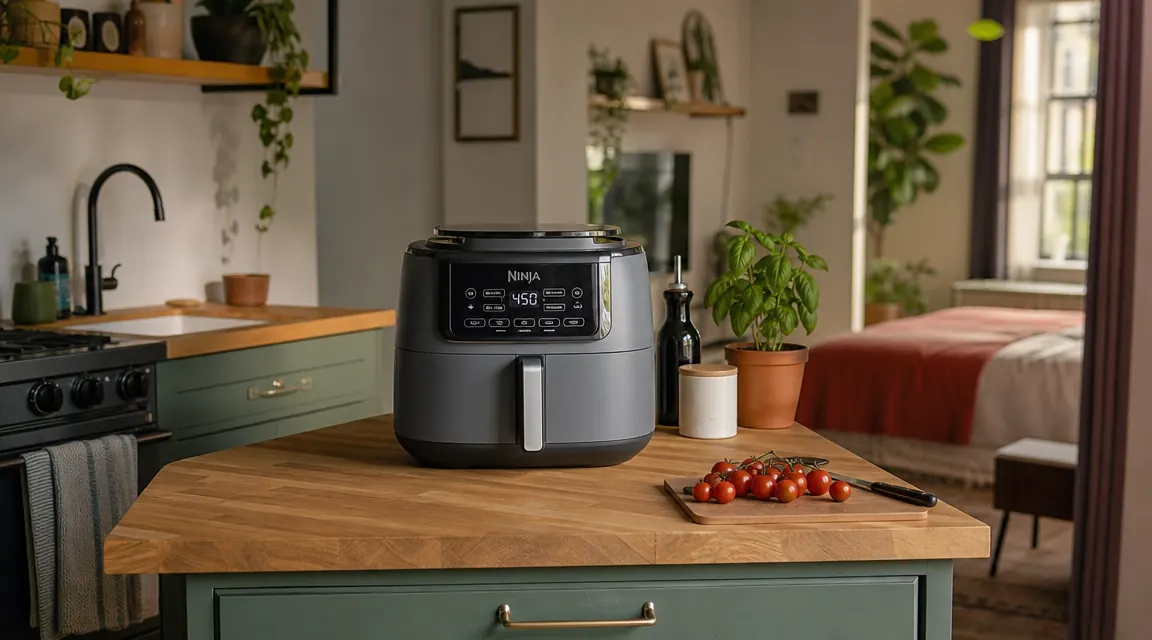
From crisping last night's leftovers without heating the whole oven to cooking dinner for two in under fifteen minutes, a 4-quart air fryer earns its footprint like few other appliances do.
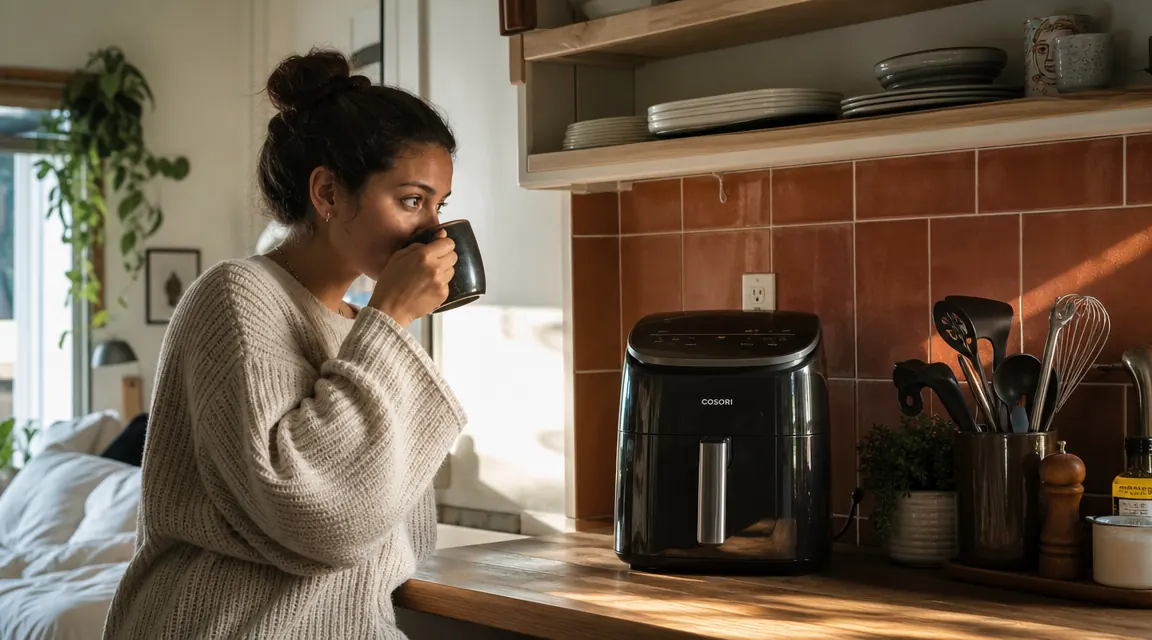
A two-week experiment in a 380-square-foot studio taught Sandra that the Ninja AF101 is not a specialty gadget. It is a full cooking strategy.
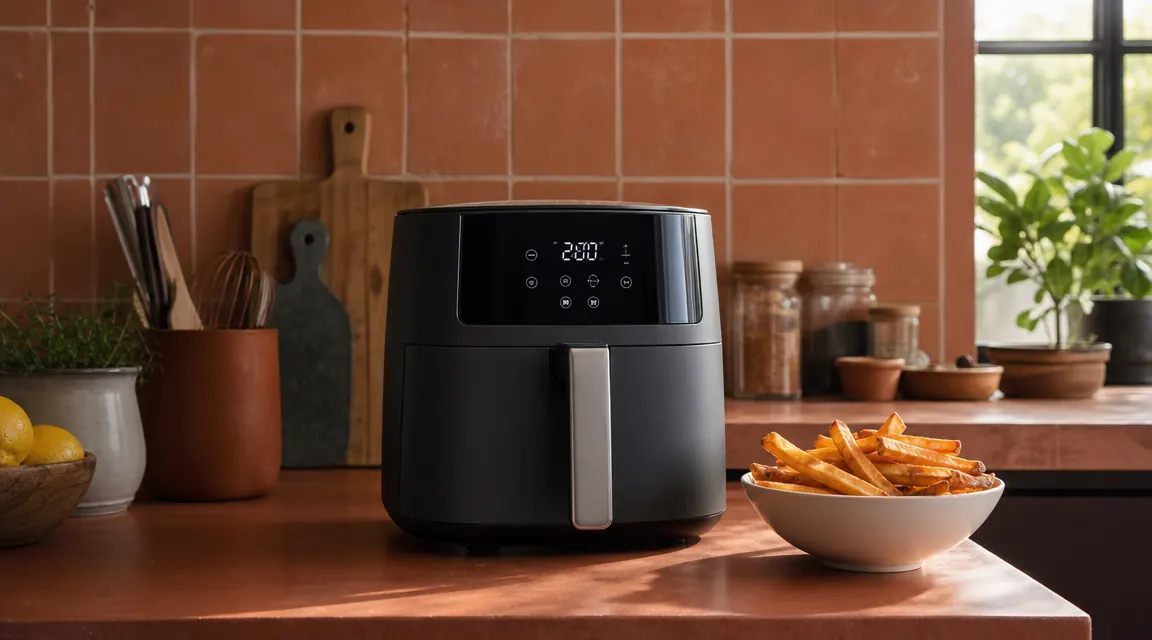
Soggy fries and rubbery chicken wings are not a small-kitchen problem. They are a technique problem. Here is exactly how to fix both.
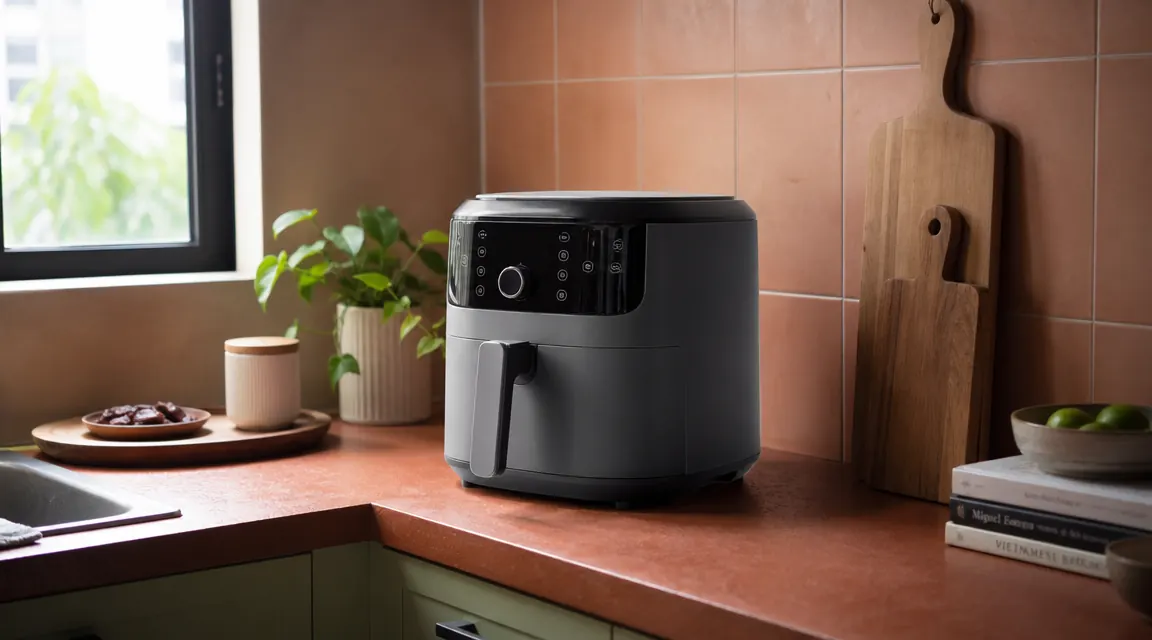
Most reviews tell you the Ninja AF101 is great. Sandra tells you about the noise at 6am, the drawer wobble, and why she still uses it every single day despite both.
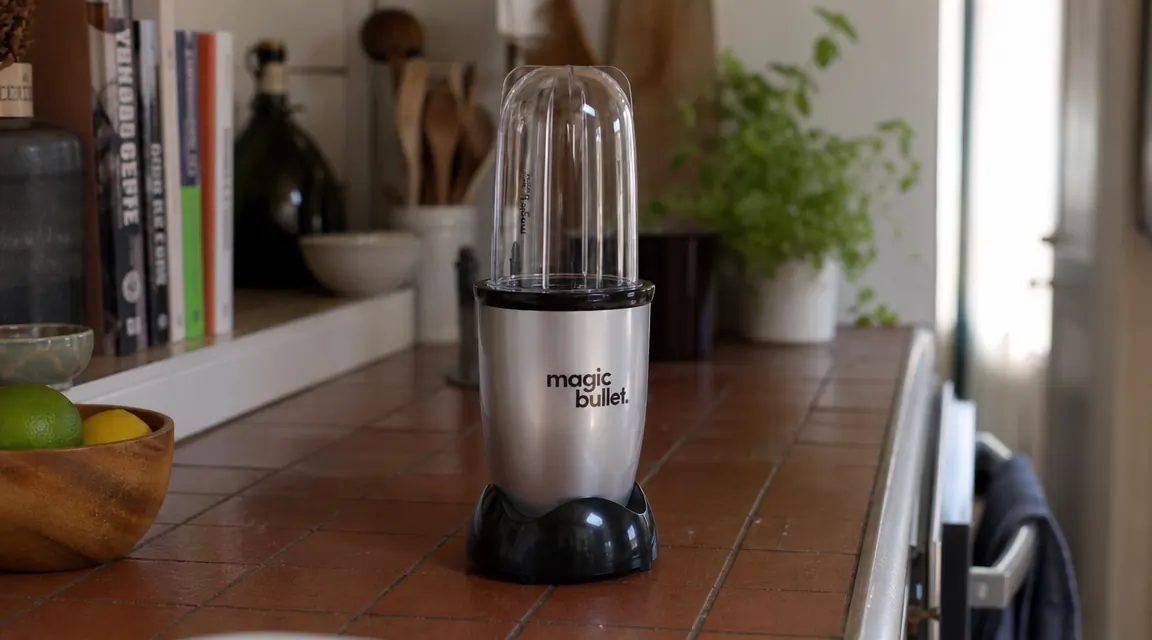
Sandra has owned the Magic Bullet 11-Piece Set for a full year now. Here is the honest report on what held up, what she had to learn the hard way, and which tasks she still sends to the big blender.
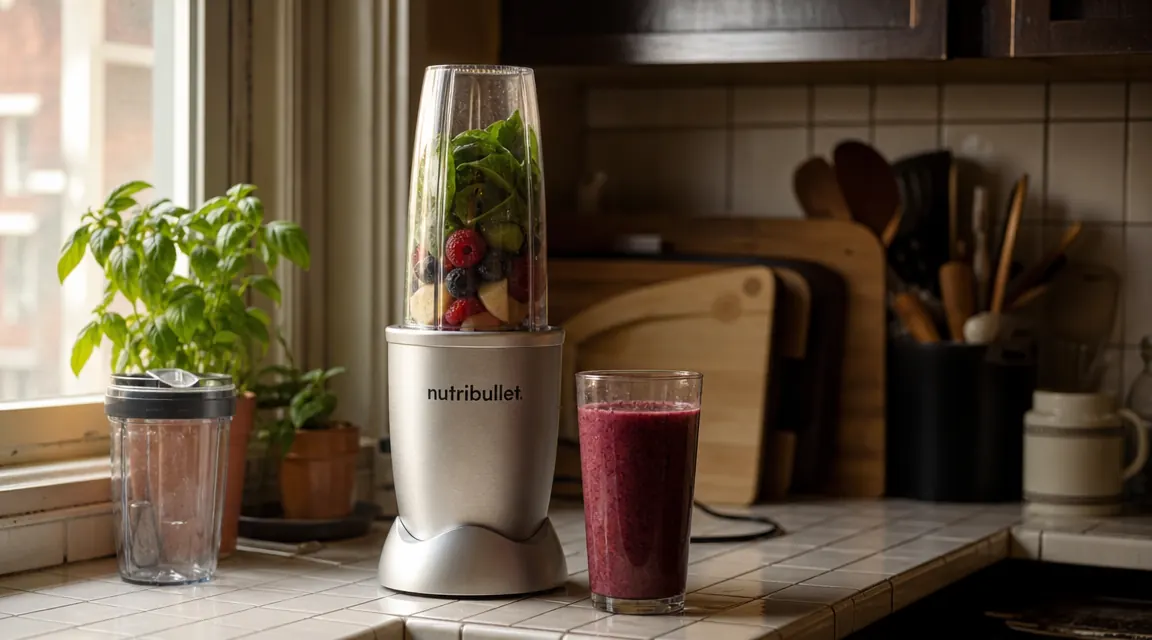
Same brand family, very different price point. Sandra compares the Magic Bullet and NutriBullet on real power, footprint, and who actually needs each one.
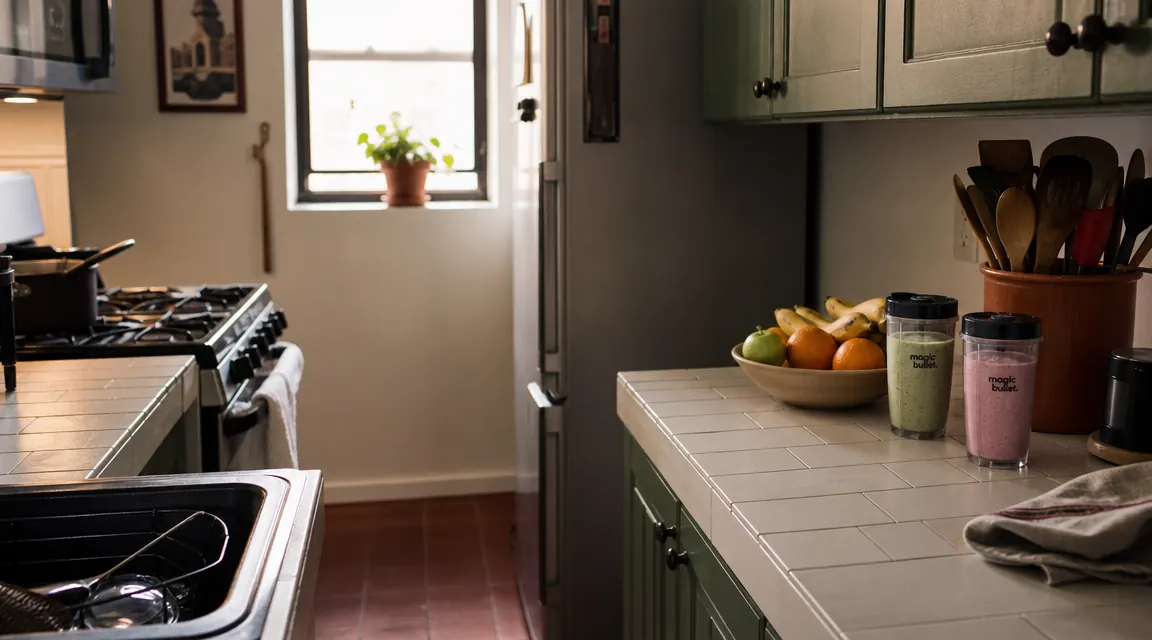
Full-size blenders occupy nine inches of counter. Personal blenders occupy four. Sandra makes the case for downsizing your blending game without sacrificing results.
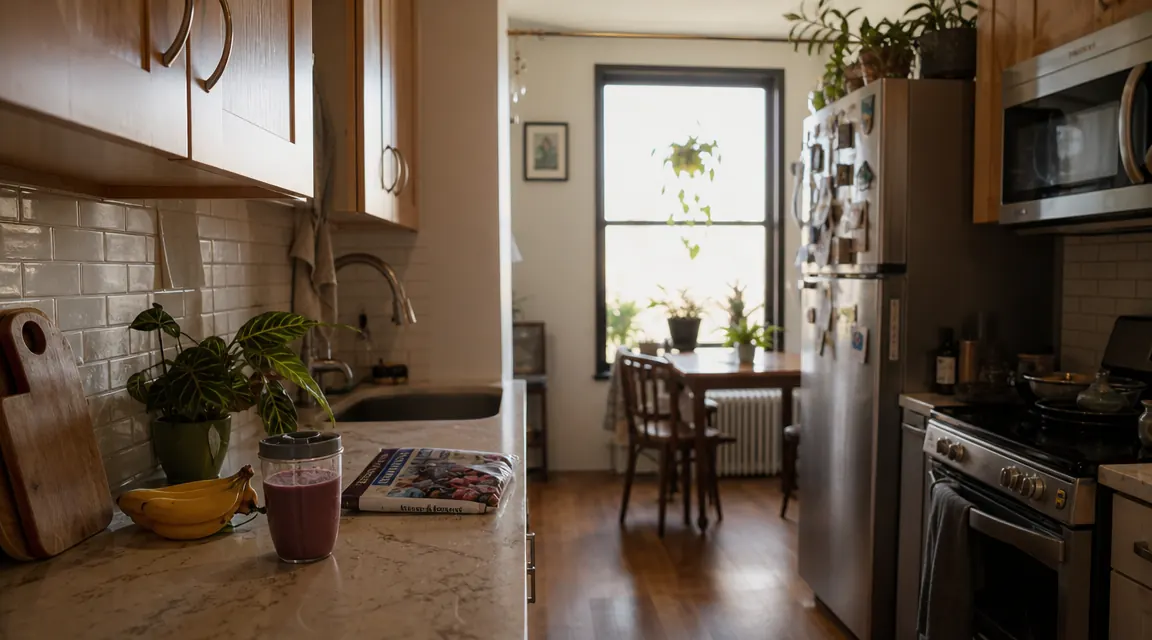
Sandra was spending fourteen minutes making breakfast in a kitchen the size of a hallway. The Magic Bullet cut that down to three. Here is the story.
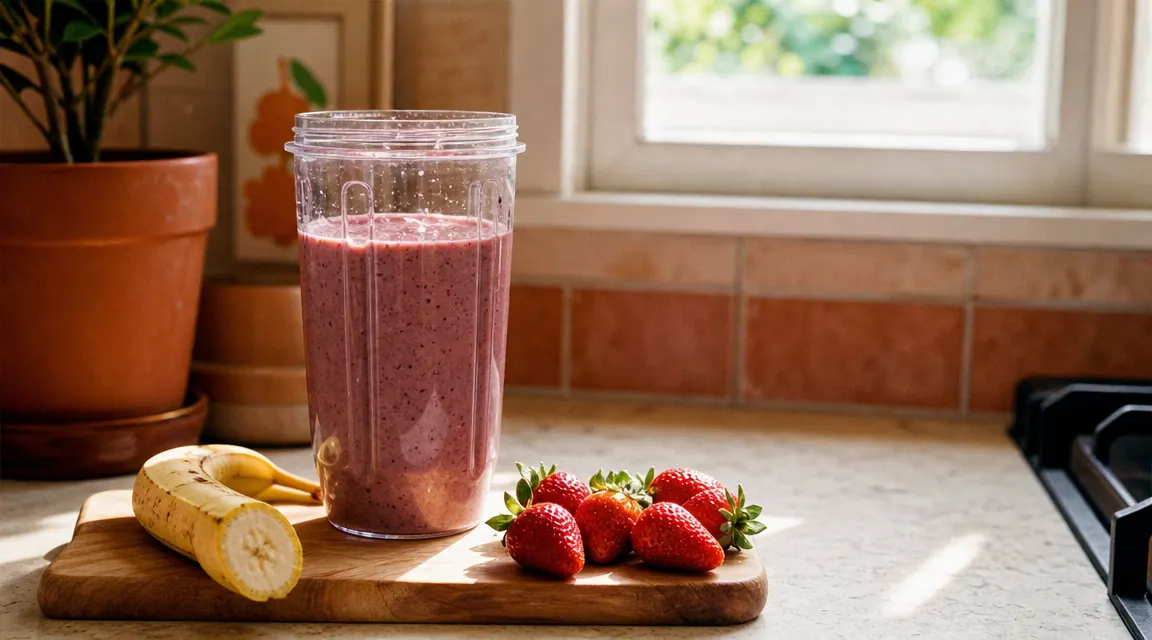
Most personal blenders leave you with chunks at the bottom and a watery mess at the top. The fix is not a more expensive machine. It is the order you put things in.
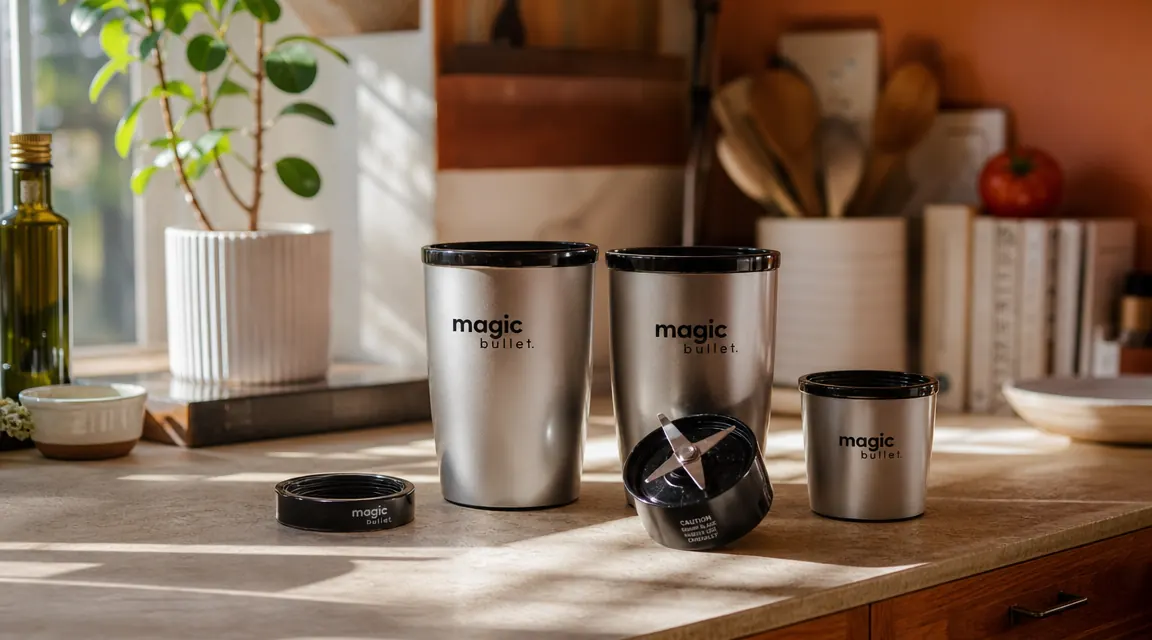
Sandra has opinions about the seal. She also has opinions about the party mugs and what happens when you try to blend a thick frozen banana smoothie at 7am. Read before you order.
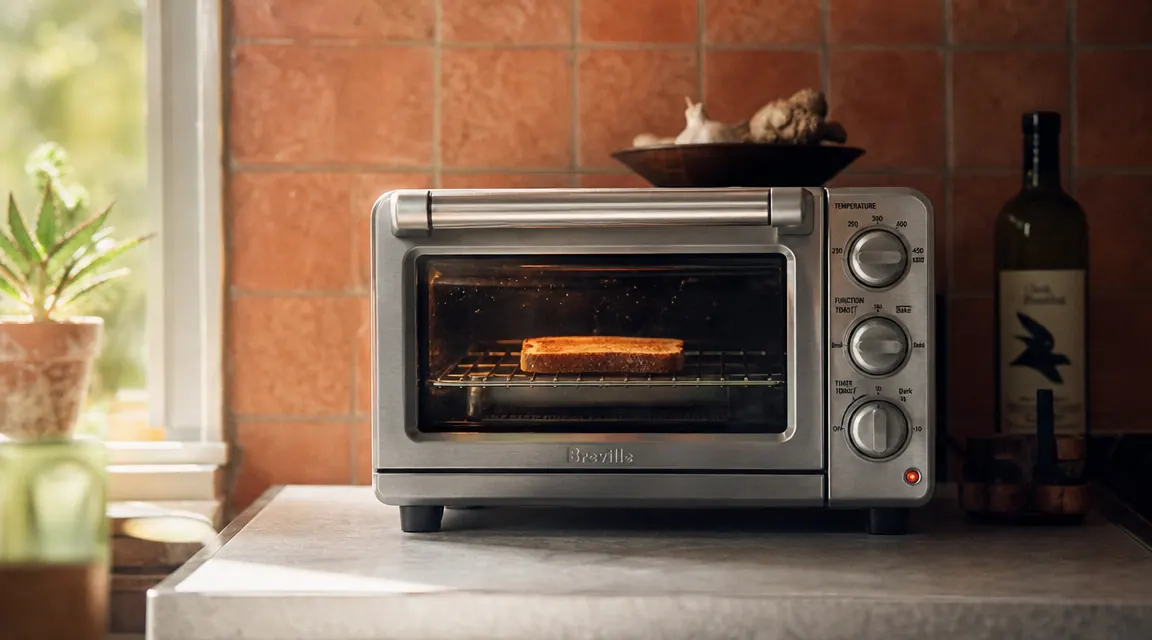
Sandra kept the BLACK+DECKER TO1760SS running nearly every day for more than a year in a kitchen with eighteen inches of usable counter. Here is the full report on heat, toast, cleanup, and the one convection trick she wishes she had found sooner.
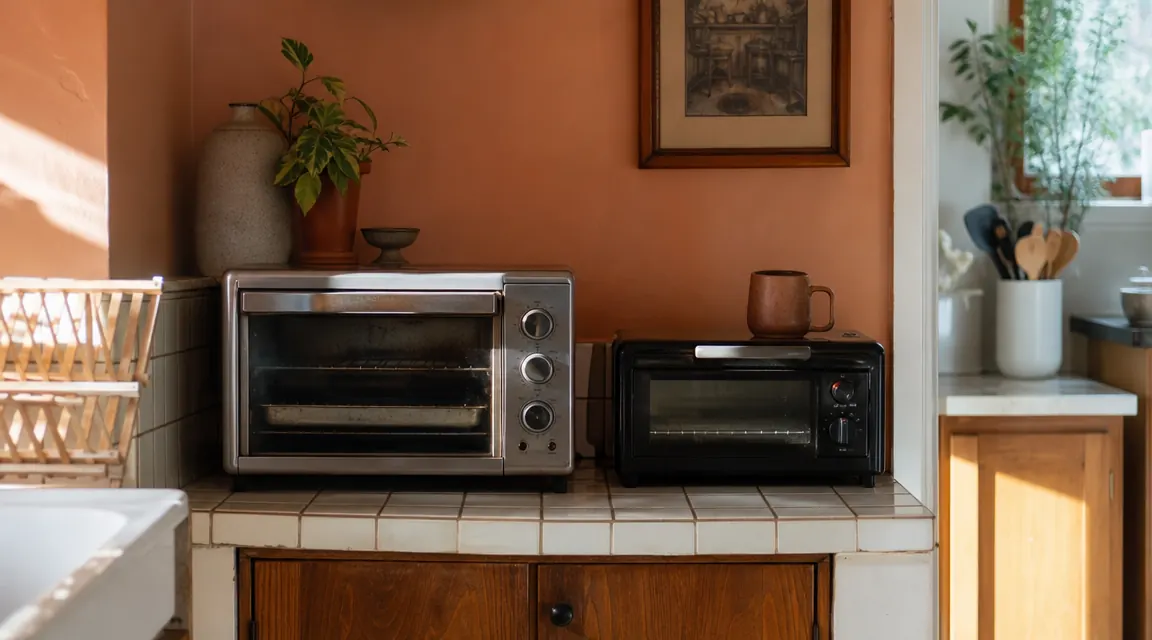
One is sixty-five dollars. The other is a hundred and sixty. Sandra puts both side by side for the small-kitchen buyer who needs a real answer before spending real money.
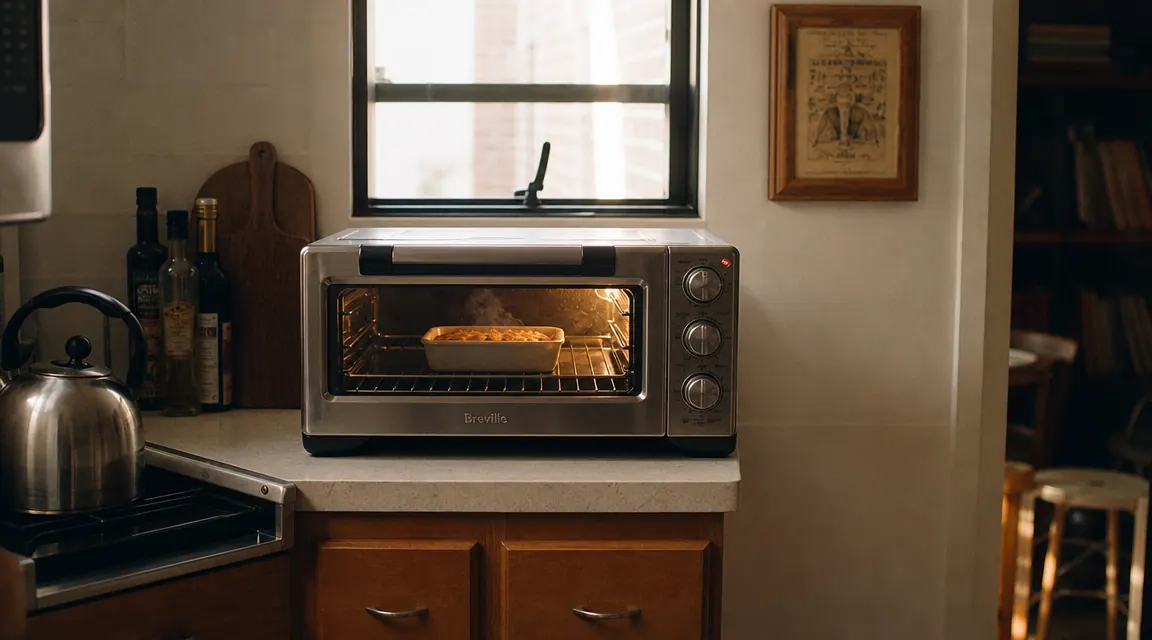
You probably do not need all the space your full oven takes up. Here is the case for letting a compact toaster oven handle most of the work.
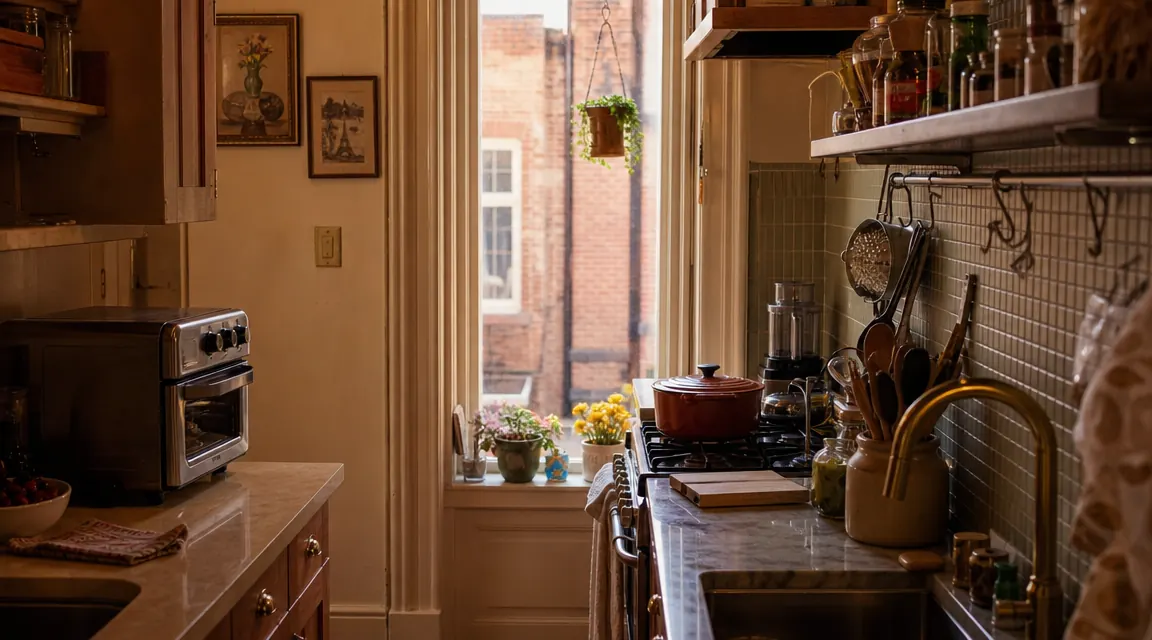
Sandra's apartment oven died in October. Her landlord took six weeks to fix it. In the meantime she discovered that a BLACK+DECKER toaster oven handles 90 percent of what she was cooking anyway.
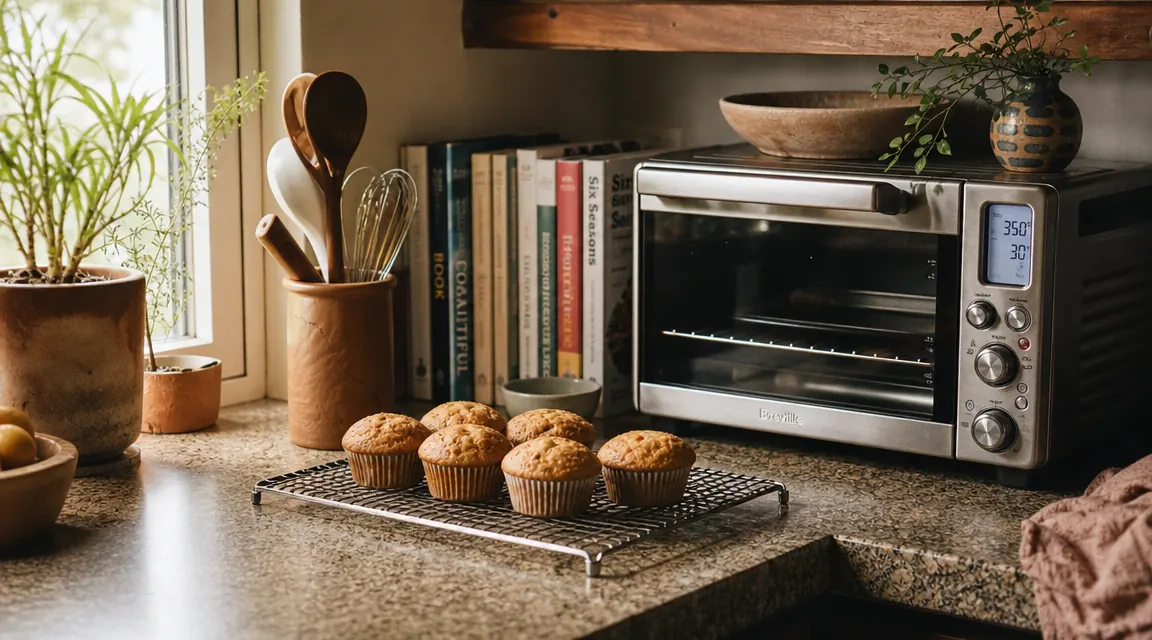
Toaster ovens run hot and uneven if you do not know the tricks. Here is the pan placement, temperature offset, and rotation timing that gets you consistent baking results from the BLACK+DECKER TO1760SS.
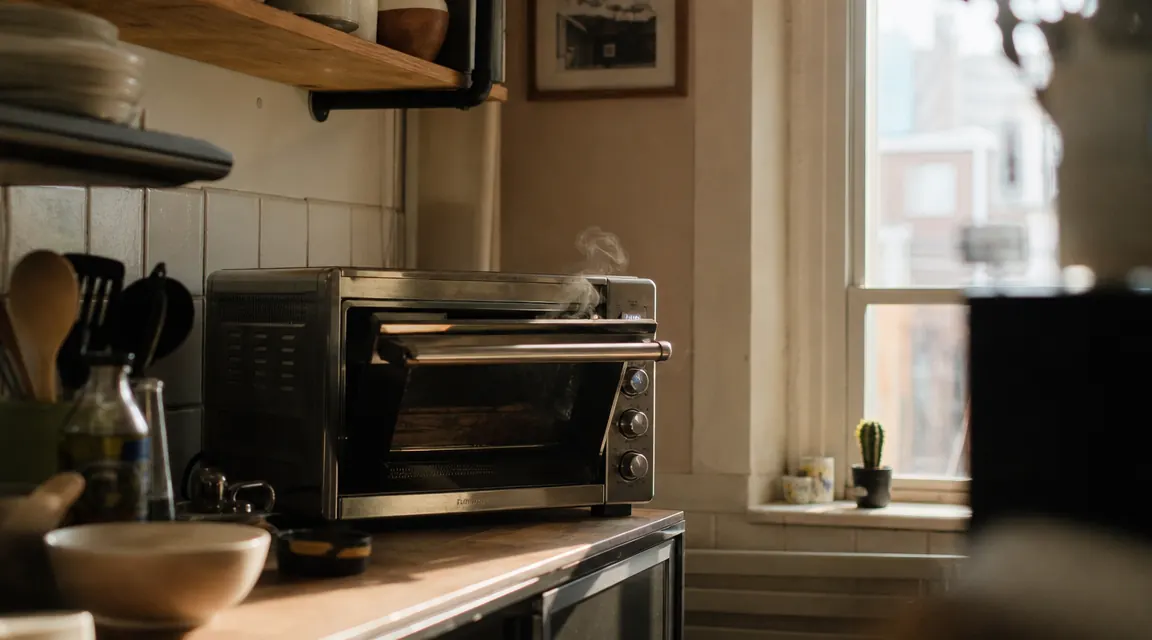
Most reviews tell you the BLACK+DECKER TO1760SS is a solid budget buy and leave it there. Sandra tells you about the heat-up wait nobody warns you about, the crumb tray situation after a greasy cook, and why convection does not solve what you think it solves.
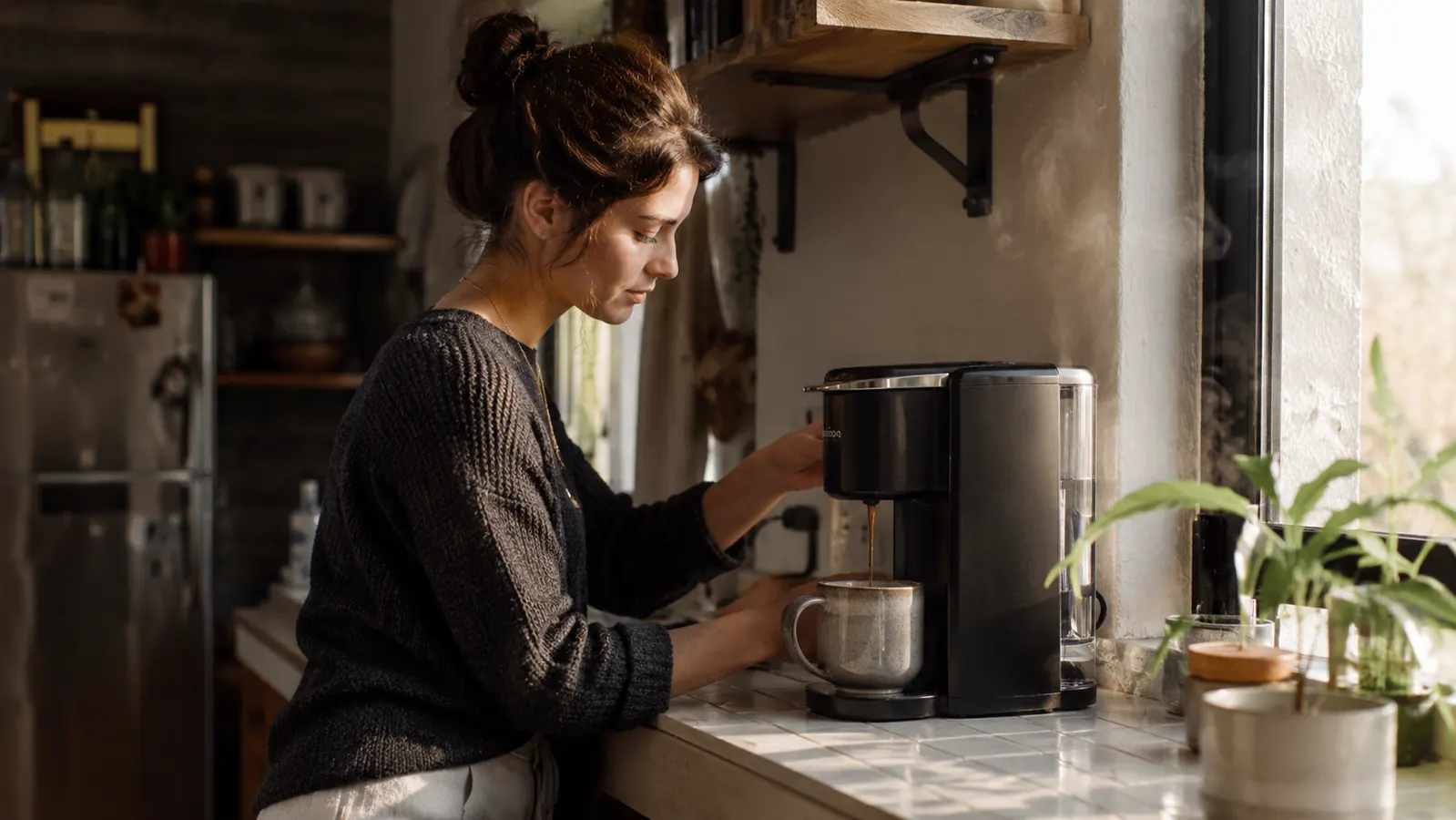
The Keurig K-Mini is five inches wide and brews a single cup without a reservoir to fill every few days. Sandra has been using hers every morning for six months in a narrow galley kitchen. Here is her honest take.
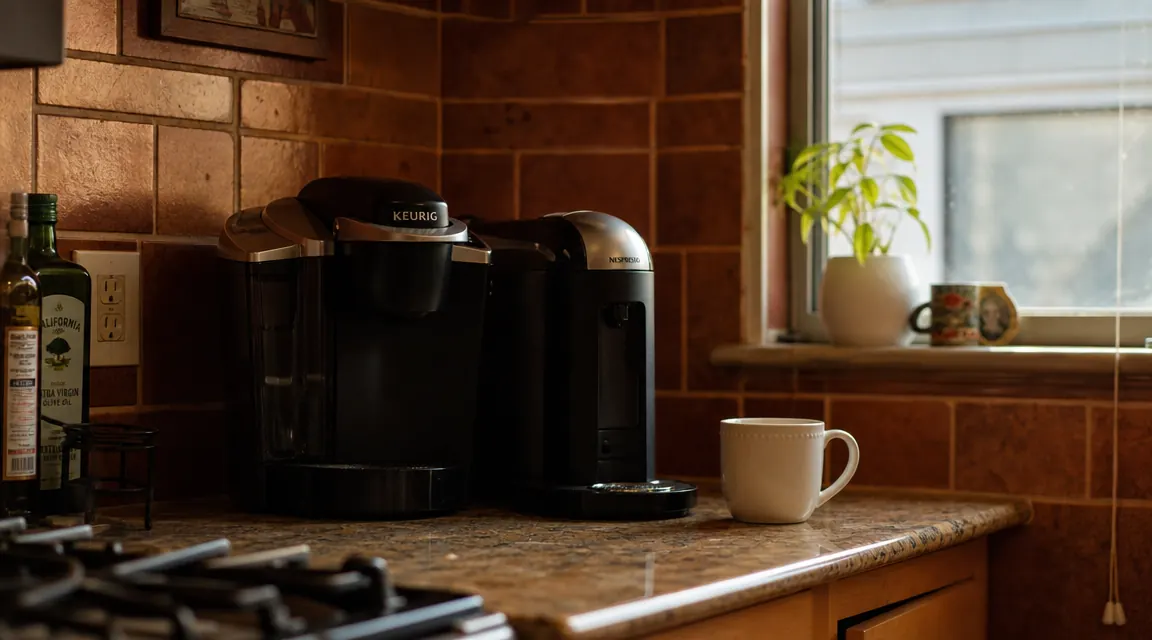
Both promise a small footprint and one good cup of coffee. Sandra measures them, times their brews, and tells you which one she would put on her counter and which one she would leave at the store.

Full-size drip machines brew twelve cups for one person and take up a foot of counter. Sandra makes the case for going smaller.
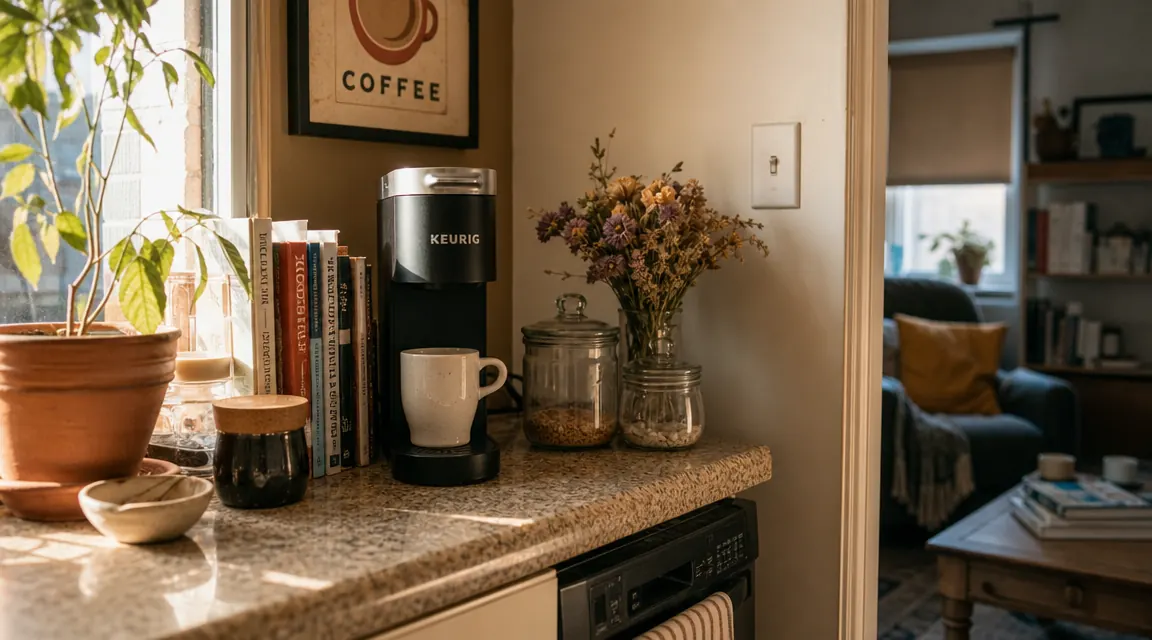
I was spending nine dollars a day at coffee shops because I thought I had no room for a coffee maker. Then a friend handed me a machine the width of a paperback novel and everything shifted.
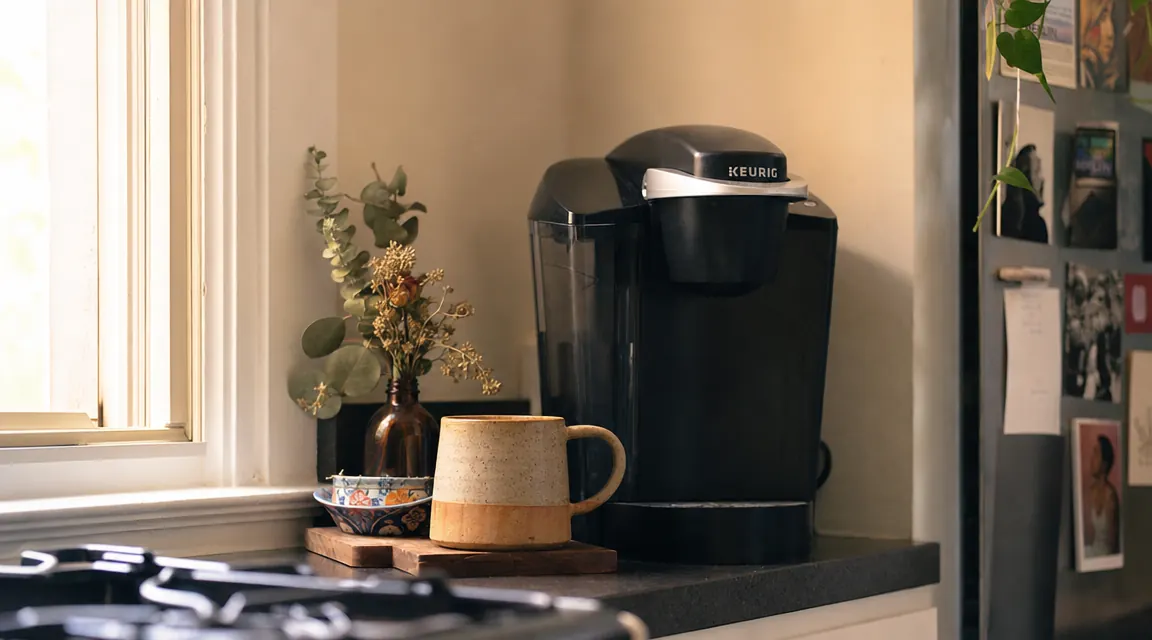
K-Cup coffee has a reputation for being weak and watery. It does not have to be. Sandra shares the brew-size setting, pod picks, and reusable pod trick that finally fixed her morning cup.
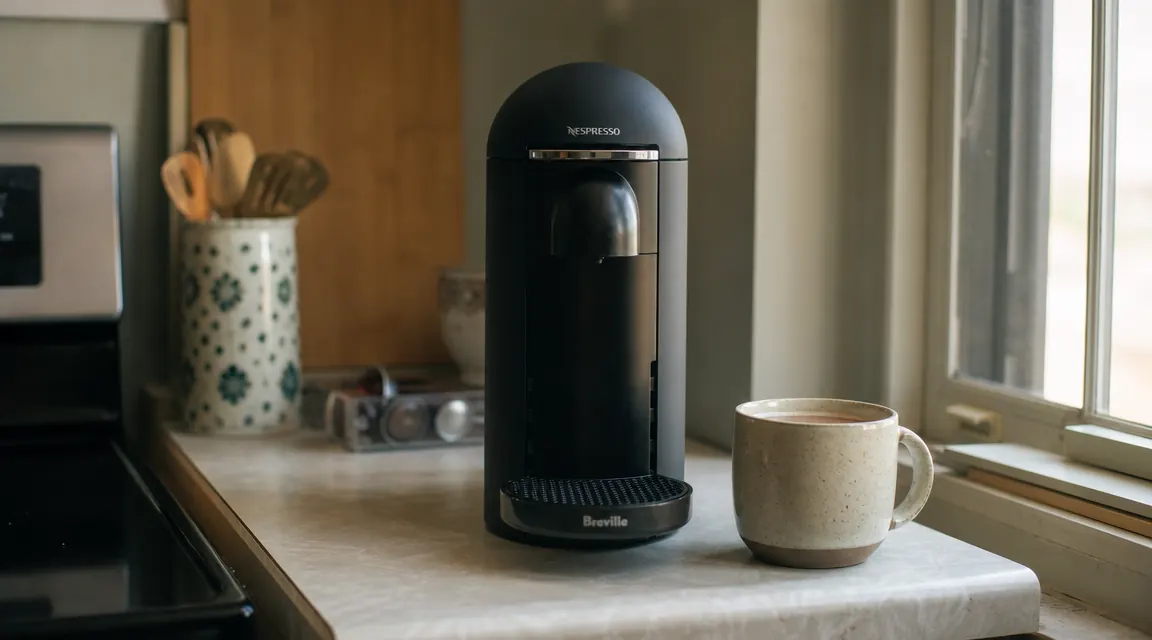
The K-Mini is five inches wide and everybody loves talking about that. What the marketing does not cover: fill-per-cup quirks, descaling math, the hidden strength dial, what it sounds like at 6 a.m., and when the auto-off will catch you off guard. Sandra covers all of it.
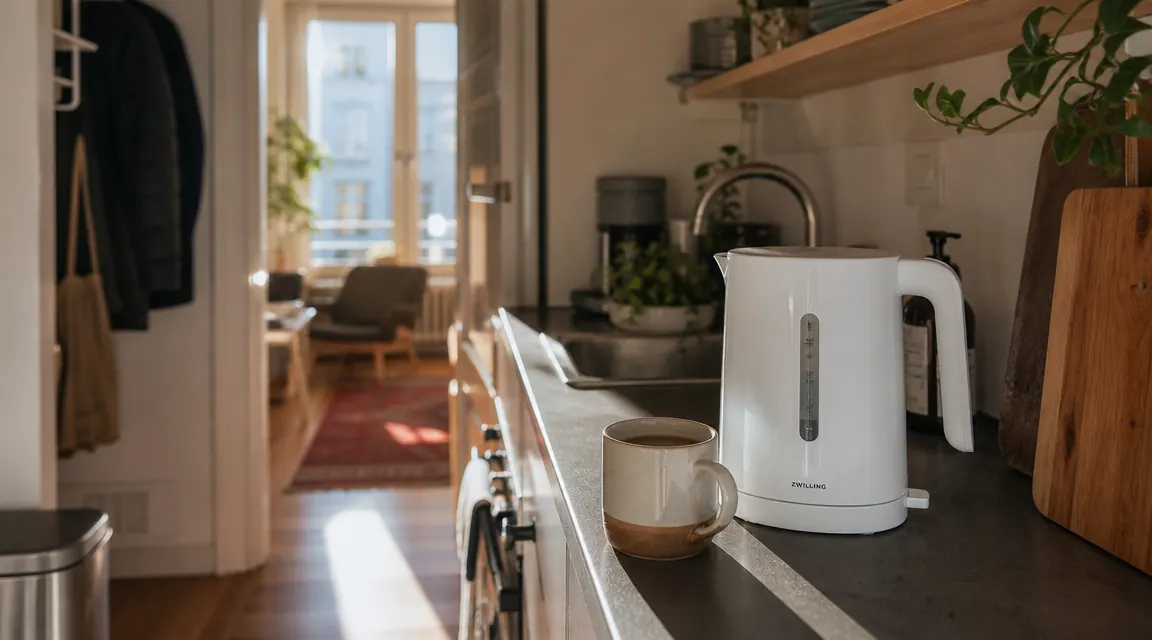
Sandra has boiled water with the AZEUS 1500W kettle almost every single day for ten months. Here is the full picture: what surprised her, what held up, what did not, and whether it earns the counter space.
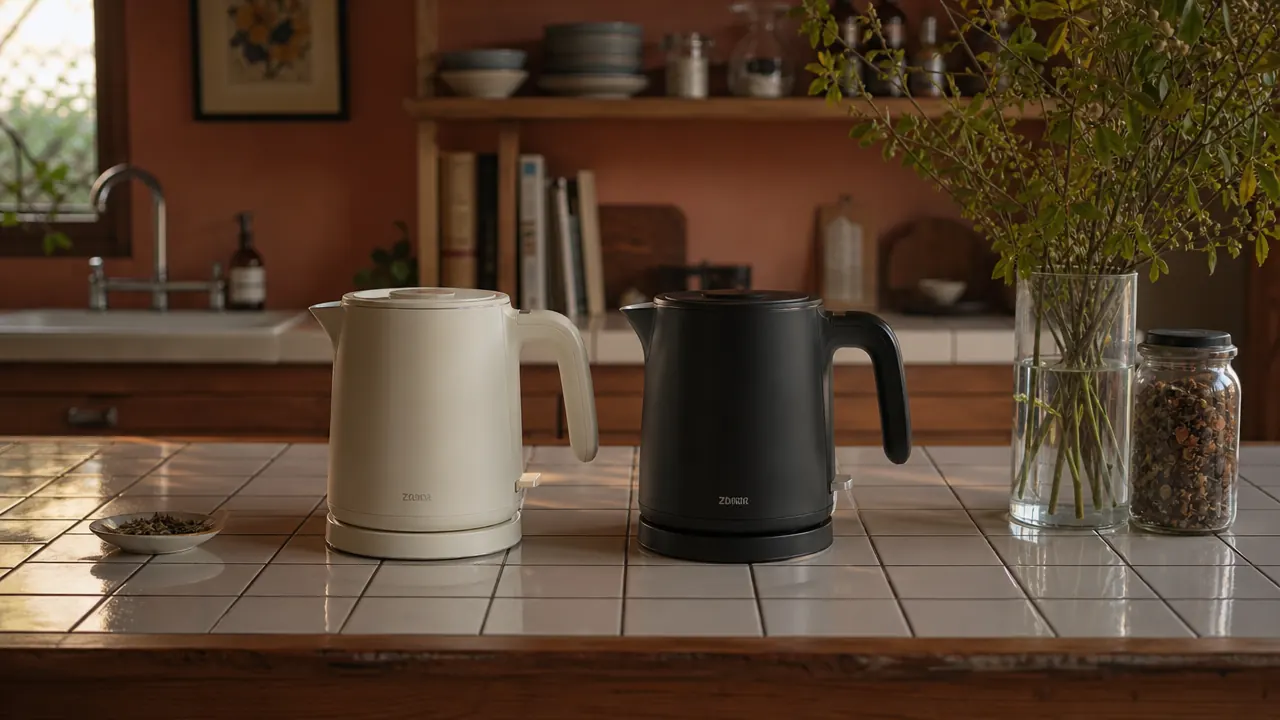
Both sit under thirty dollars and promise a fast boil. Sandra tests them side by side on boil time, handle heat, lid security, and footprint to tell you which one earns the narrow slice of counter in a small kitchen.
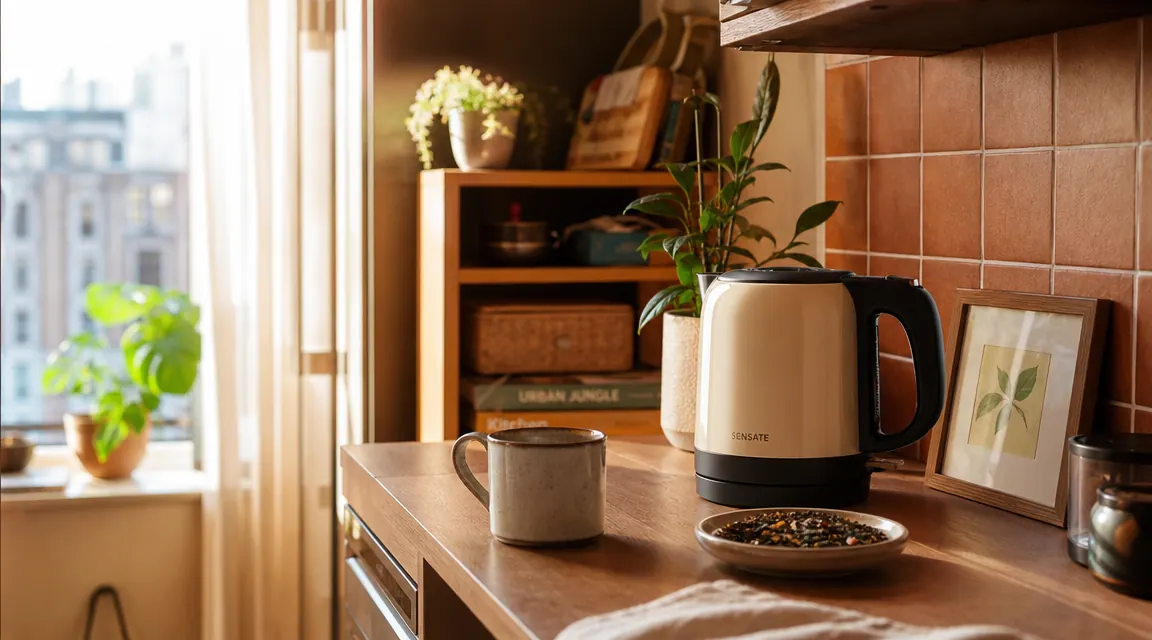
No burner to babysit, no handle to bang on cabinet doors, boils faster than the stove. Sandra gives ten reasons a compact electric kettle earns every inch it occupies.
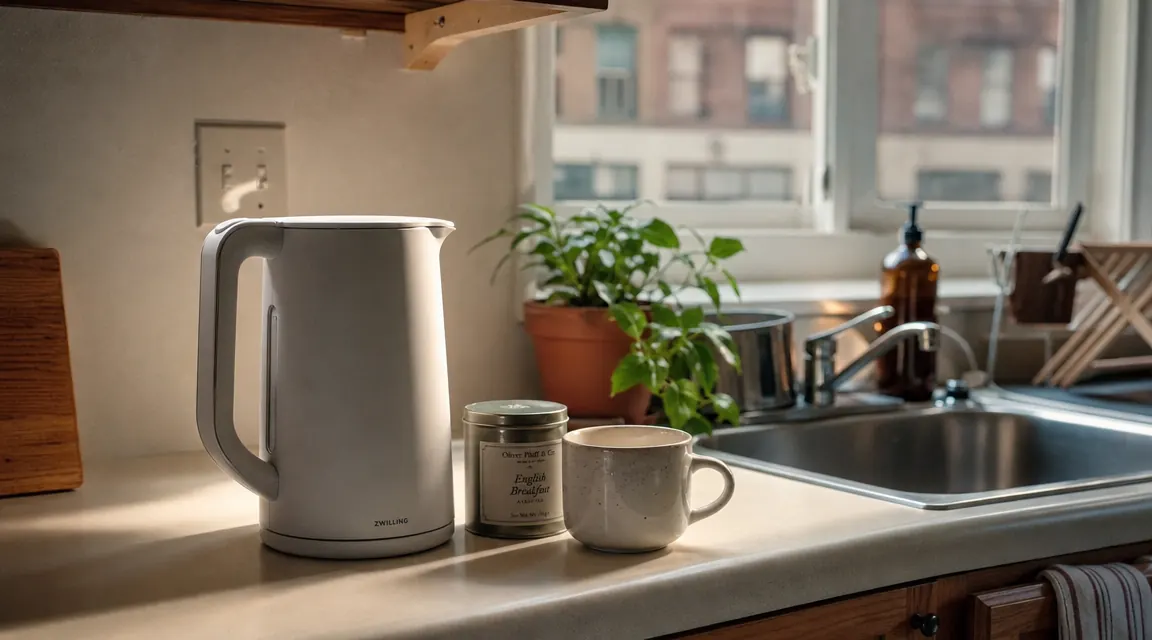
Two years of babysitting a stovetop pot every morning. Then a twenty-dollar kettle arrived and I felt a little embarrassed it took me that long.
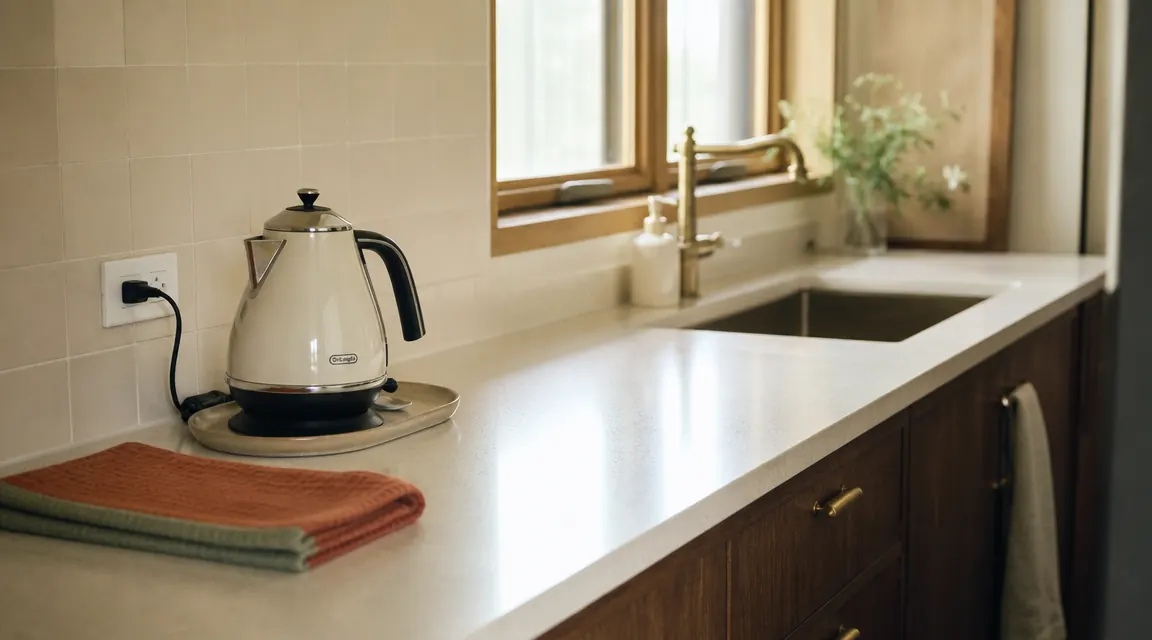
The stovetop kettle owns a burner and a cabinet shelf. The saucepan solution is even worse. Sandra walks through the exact counter-layout rethink that recovered six inches of workspace in her galley kitchen.
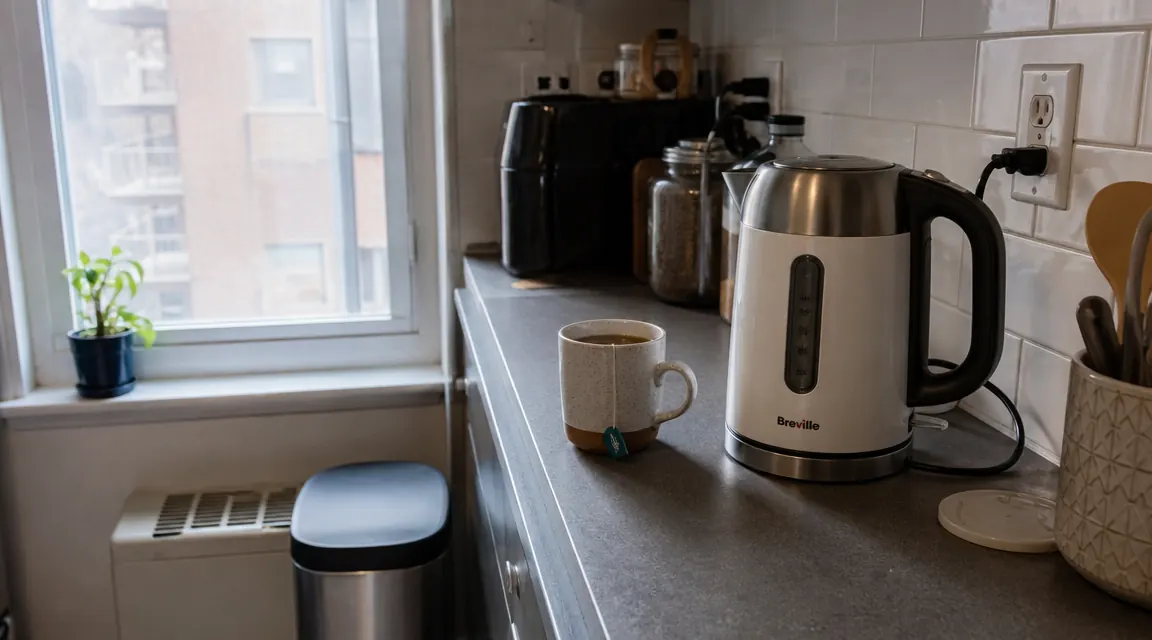
Most reviews tell you whether it boils water fast. Nobody tells you about the lid steam, the base seating quirk, or why you should run a vinegar cycle before you ever make your first cup.
Sandra spent eight months cooking in a tiny apartment kitchen before writing a word of this. Here is what she found.
Most reviews tell you the Ninja AF101 is great. Sandra tells you about the noise at 6am, the drawer wobble, and why she still uses it every single day despite both.
Sandra has owned the Magic Bullet 11-Piece Set for a full year now. Here is the honest report on what held up, what she had to learn the hard way, and which tasks she still sends to the big blender.
Sandra has opinions about the seal. She also has opinions about the party mugs and what happens when you try to blend a thick frozen banana smoothie at 7am. Read before you order.
Sandra kept the BLACK+DECKER TO1760SS running nearly every day for more than a year in a kitchen with eighteen inches of usable counter. Here is the full report on heat, toast, cleanup, and the one convection trick she wishes she had found sooner.
Most reviews tell you the BLACK+DECKER TO1760SS is a solid budget buy and leave it there. Sandra tells you about the heat-up wait nobody warns you about, the crumb tray situation after a greasy cook, and why convection does not solve what you think it solves.
The Keurig K-Mini is five inches wide and brews a single cup without a reservoir to fill every few days. Sandra has been using hers every morning for six months in a narrow galley kitchen. Here is her honest take.
The K-Mini is five inches wide and everybody loves talking about that. What the marketing does not cover: fill-per-cup quirks, descaling math, the hidden strength dial, what it sounds like at 6 a.m., and when the auto-off will catch you off guard. Sandra covers all of it.
Sandra has boiled water with the AZEUS 1500W kettle almost every single day for ten months. Here is the full picture: what surprised her, what held up, what did not, and whether it earns the counter space.
Most reviews tell you whether it boils water fast. Nobody tells you about the lid steam, the base seating quirk, or why you should run a vinegar cycle before you ever make your first cup.